Global forklift safety
Safety Audits for Global Fleets: Standardizing Your Pre-Shift Inspections
As supply chains become increasingly global, many organizations now operate warehouses, manufacturing facilities, and distribution centres across multiple countries.
While each location may face different regulations and operating conditions, one principle remains universal: workplace safety starts before a forklift moves its first load.
A consistent pre-shift inspection process is one of the most effective ways to reduce equipment failures, prevent accidents, and improve compliance across an international fleet.
For companies managing operations in different regions, standardized inspections also create a stronger safety culture and simplify internal audits.

Quick answer
A global forklift inspection program should use the same core checklist, reporting process, training expectations, defect escalation procedure, and documentation standards at every facility. Local requirements can be added where needed, but the central inspection process should remain consistent throughout the organization.
Reduce equipment risk
Daily checks help identify defects before a forklift enters service or begins moving materials.
Improve audit readiness
Uniform inspection records make internal and regulatory reviews easier to complete.
Strengthen training
Operators across different facilities learn the same inspection sequence and reporting expectations.
Support fleet oversight
Centralized records give management better visibility into defects, maintenance, and inspection completion.
Why consistency matters across global operations
Operating facilities in multiple countries often means navigating different workplace regulations, languages, operating conditions, and local practices.
Rather than allowing every facility to create an unrelated inspection process, leading organizations establish one global safety standard supported by standardized checklists and reliable documentation.
Without standardized procedures, businesses may experience:
- Inconsistent inspections
- Missing maintenance records
- Different reporting methods
- Uneven operator training
- Higher compliance risks
- Increased administrative complexity
Creating one consistent inspection process helps eliminate confusion while ensuring every operator follows the same core safety expectations.
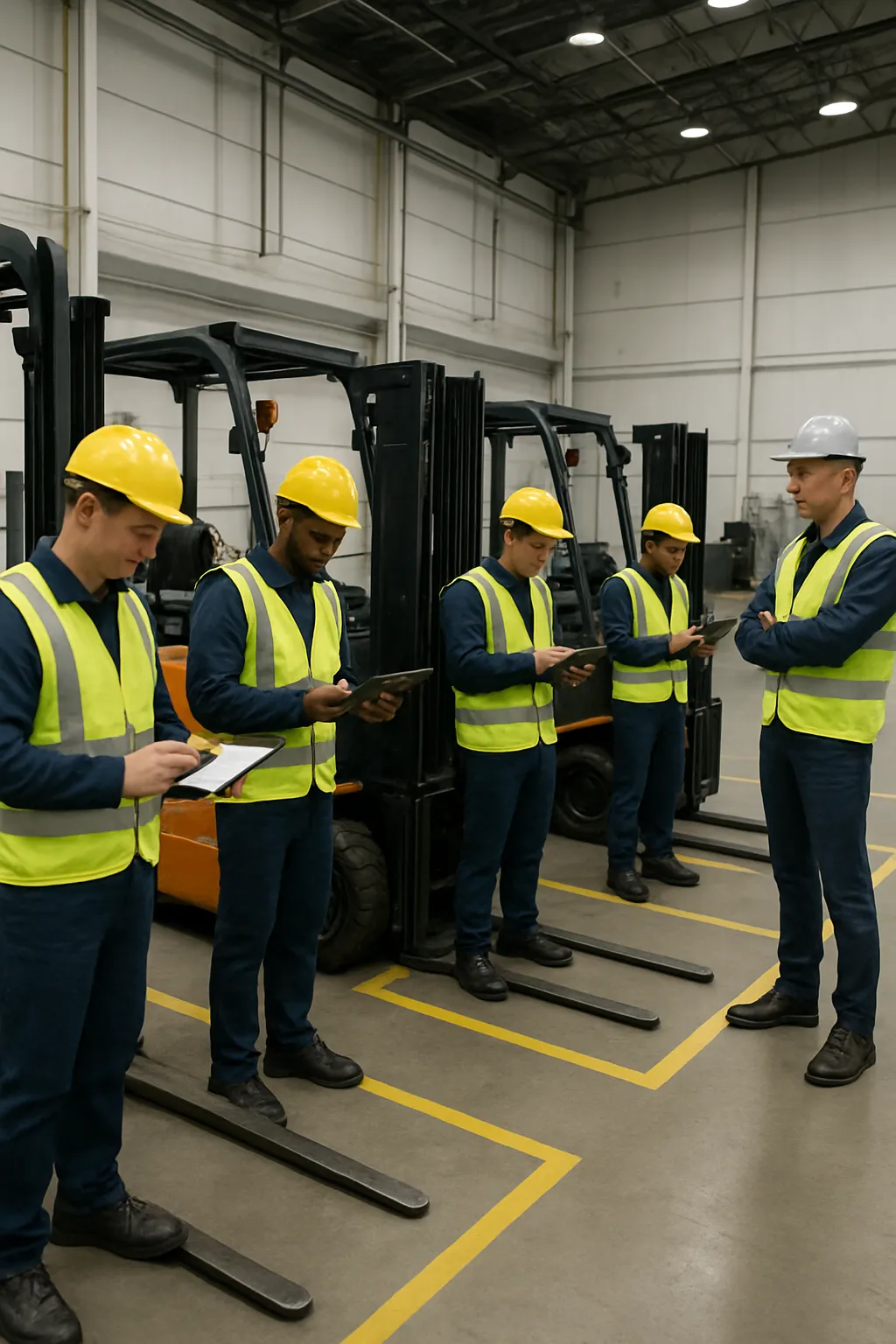
Pre-shift inspections reduce operational risk
Daily forklift inspections are designed to identify potential problems before equipment enters service.
Finding defects early reduces the likelihood of equipment failures that could result in worker injuries, product damage, facility damage, or costly downtime.
Across a global fleet, these small daily inspections collectively become one of the strongest defences against operational risk.
Standardization improves audit readiness
Safety audits become more complicated when every facility follows different inspection and documentation practices.
Uniform inspection forms
Every operator reviews the same core components and records information in the same format.
Consistent reporting
Defects are reported, escalated, and resolved through a defined process across every location.
Simplified oversight
Managers can compare inspection performance and safety trends without translating unrelated reporting systems.
A standardized inspection program can also support easier employee training, faster internal audits, stronger regulatory documentation, and more efficient management oversight.
Whether a company operates five locations or fifty, using the same inspection process makes compliance easier to demonstrate.
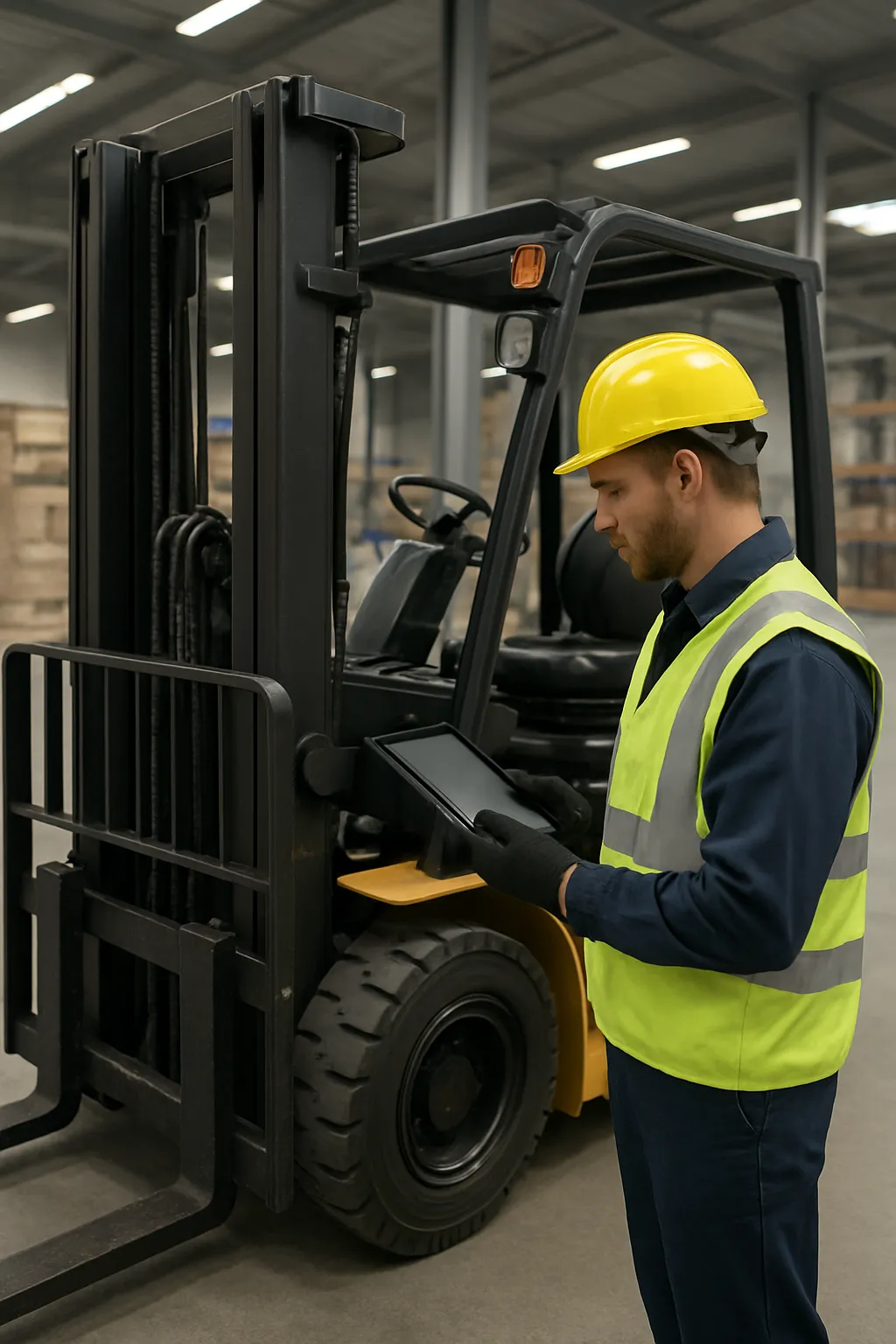
Digital checklists support global operations
Many organizations are replacing paper inspection forms with digital platforms that create more reliable and accessible records.
Electronic inspection systems can provide:
- Time-stamped inspections
- Operator identification
- Automatic record storage
- Photo documentation
- Real-time defect reporting
- Instant management visibility
Digital records eliminate many common paper-based problems, including missing forms, illegible handwriting, damaged files, and delayed reporting.
For international organizations, centralized digital reporting allows headquarters to monitor inspection completion rates and unresolved defects across every facility.
Building one global safety culture
Safety expectations should not change when an employee moves between company locations. A standardized inspection program reinforces common routines throughout the organization.
Follow the daily routine
Operators complete the same core inspection before placing a forklift into service.
Identify equipment defects
Employees learn how to recognize visible damage, operational problems, and safety device failures.
Report concerns clearly
Every location follows a defined process for reporting and escalating unsafe equipment.
Confirm corrective action
Maintenance and supervisors document what was repaired before the forklift returns to service.
This consistency improves employee confidence and reduces training time for forklift operators transferring between facilities.
Managing international liability
Workplace incidents can expose businesses to significant legal, operational, reputational, and financial consequences.
Although regulations vary between countries, demonstrating consistent safety practices can strengthen an organization's overall risk management strategy.
Standardized inspections help organizations show they have:
- Established safety procedures
- Documented daily inspections
- Maintained equipment appropriately
- Trained operators consistently
- Addressed reported defects promptly
Comprehensive documentation becomes particularly valuable during insurance investigations, internal reviews, or regulatory audits.
The importance of clear documentation
Inspection records provide more than basic compliance paperwork. They can also support:
- Preventive maintenance
- Equipment replacement planning
- Warranty claims
- Operational analysis
- Root cause investigations
Organizations with well-organized documentation can often identify recurring equipment issues before they become expensive failures or cause prolonged downtime.
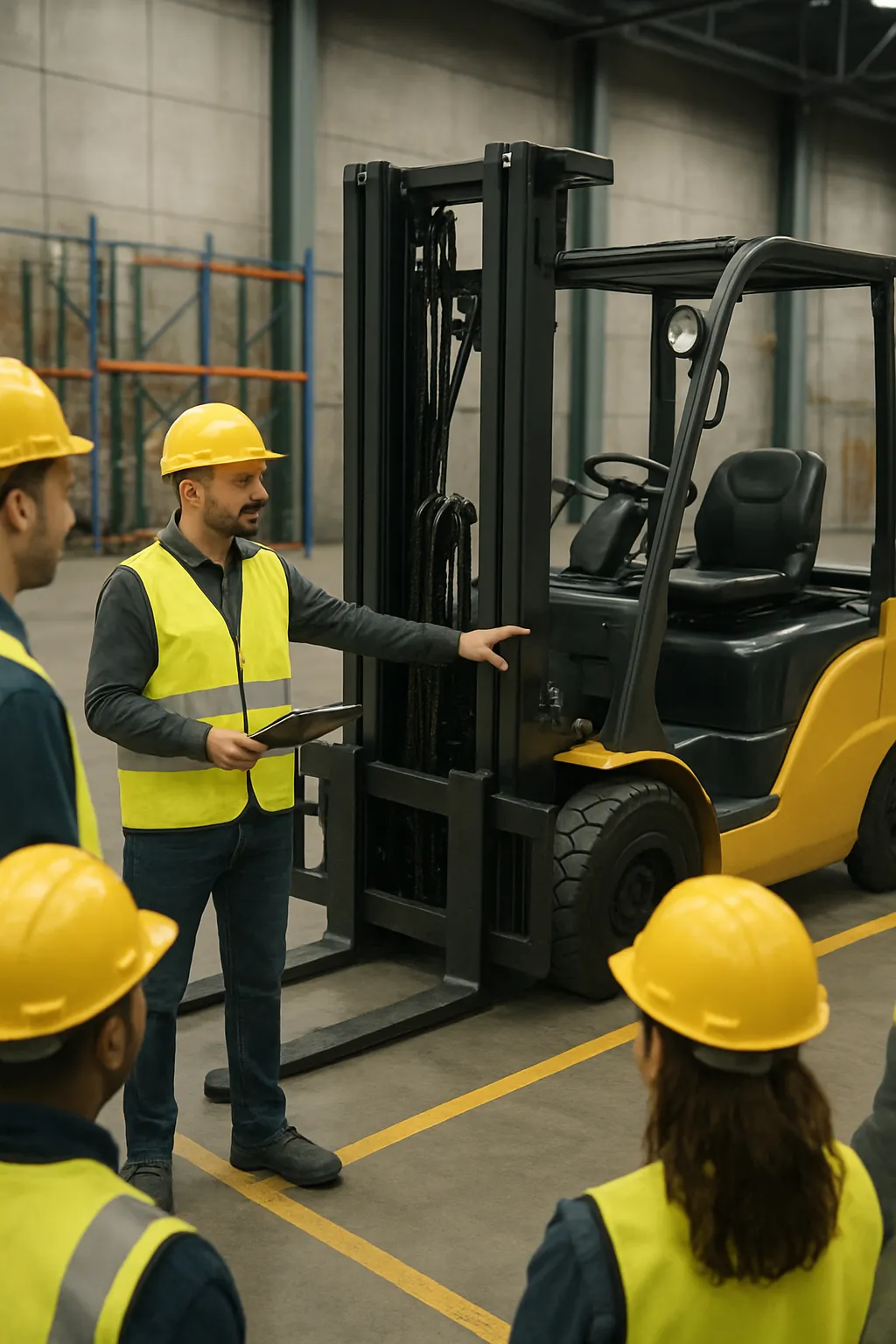
Standardized training supports better inspections
Even the best checklist is ineffective if operators do not understand what they are inspecting or how to recognize an unsafe condition.
Training programs should teach employees how to identify:
- Hydraulic leaks
- Tire damage
- Fork wear
- Steering issues
- Brake problems
- Mast defects
- Battery concerns
- Safety device failures
Providing the same core training standards across every location helps inspections remain consistent regardless of geography, language, or facility size.
Creating practical inspection standards
Effective inspection programs must be simple enough for daily use while remaining comprehensive enough to identify genuine safety concerns.
| Inspection field | Purpose | Recommended information |
|---|---|---|
| Equipment identification | Connects the inspection to a specific machine. | Fleet number, model, serial number, or facility code. |
| Date and time | Confirms when the inspection was completed. | Inspection date, shift, and completion time. |
| Operator information | Identifies the employee completing the check. | Name, employee number, or digital account. |
| Inspection items | Creates a consistent equipment review. | Brakes, steering, forks, mast, tires, and safety devices. |
| Defect reporting | Records unsafe or damaged components. | Defect description, photos, severity, and location. |
| Corrective action | Documents how the issue was addressed. | Repair details, maintenance status, or equipment lockout. |
| Supervisor verification | Confirms review and authorization. | Supervisor approval and return-to-service confirmation. |
Businesses looking to strengthen their inspection procedures can review pre-shift checklists, safety rules, and daily inspection guides . These resources provide practical examples that support consistent workplace safety programs.
Use inspection data for continuous improvement
Standardization should create a reliable foundation without preventing the inspection program from improving over time.
Reported defects
Identify components or forklift models that generate repeated inspection concerns.
Reliability trends
Compare maintenance needs, downtime, and defect frequency across the fleet.
Training gaps
Review incomplete forms or missed inspection items to find areas requiring additional instruction.
Response times
Measure how quickly reported defects are reviewed, repaired, and cleared for service.
Using inspection information proactively helps businesses improve safety procedures, strengthen maintenance planning, and reduce long-term operational risk.
Build safer forklift operations across every location
Managing forklift safety across multiple countries requires more than meeting individual regulatory requirements. It requires a consistent safety culture supported by standardized inspections, reliable documentation, and ongoing operator training.
Organizations that adopt global pre-shift inspection standards can improve compliance, simplify audits, reduce liability, and create safer workplaces across every facility.
For additional guidance on fleet management, equipment selection, safety resources, and operational best practices, visit Canada's most complete forklift resource . It provides comprehensive information to help organizations build safer and more efficient forklift operations across North America.